NAAS Prize for Film Circulation
About NAAS Prize for Circulation
The prize is issued to the NAAS member spaces to invite the filmmaker or a crew member to present their film after completion, and to facilitate its circulation among Arabic-speaking countries.
In 2017 and through 2018, NAAS supported the subtitling and circulation of twelve new Arab and international films in the Arab region, within the framework of the NAAS prize for film circulation.
This project was supported by the Arsenal – Institut for Film and Video Art, the Berlinale Forum | Forum Expanded, and the Ford Foundation.
2019 NAAS Prize for Film Circulation
NAAS brought together 16 movie theaters in Arabic-speaking countries, held its general assembly during the workshops.
Selection
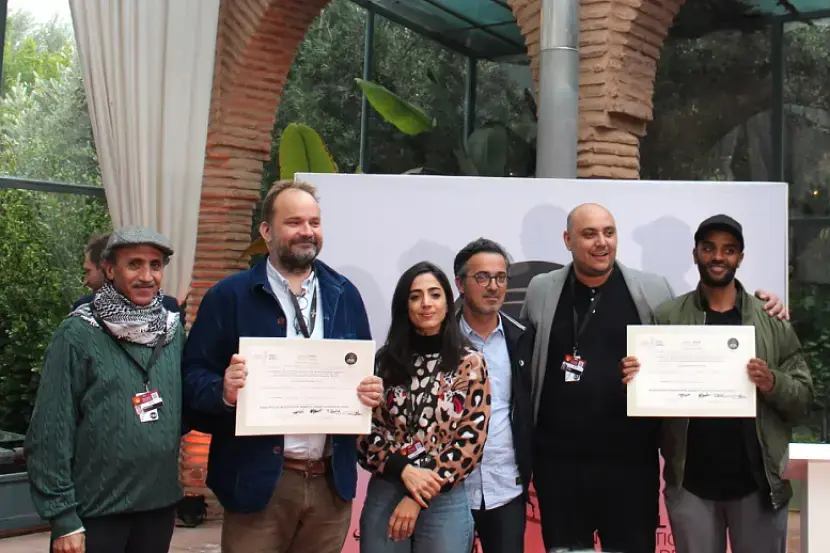
The NAAS jury - made up of Brigitte Boulad (Filmlab: Palestine, Palestine), Butheina Kazim (Cinema Akil, UAE), Waguih El laqany (Cinema Everywhere, Egypt), and Khaled El Ghoul (Yabous Cultural Centre, Palestine) - selected a movie for its dance of love, its performance punctuated with humour, sorrow and a leap of faith, as well as its ability to render the specific and universal through tenderness, and the triumph of the poetic present over the fragility of life. It awarded the NAAS Distribution Prize to the film:
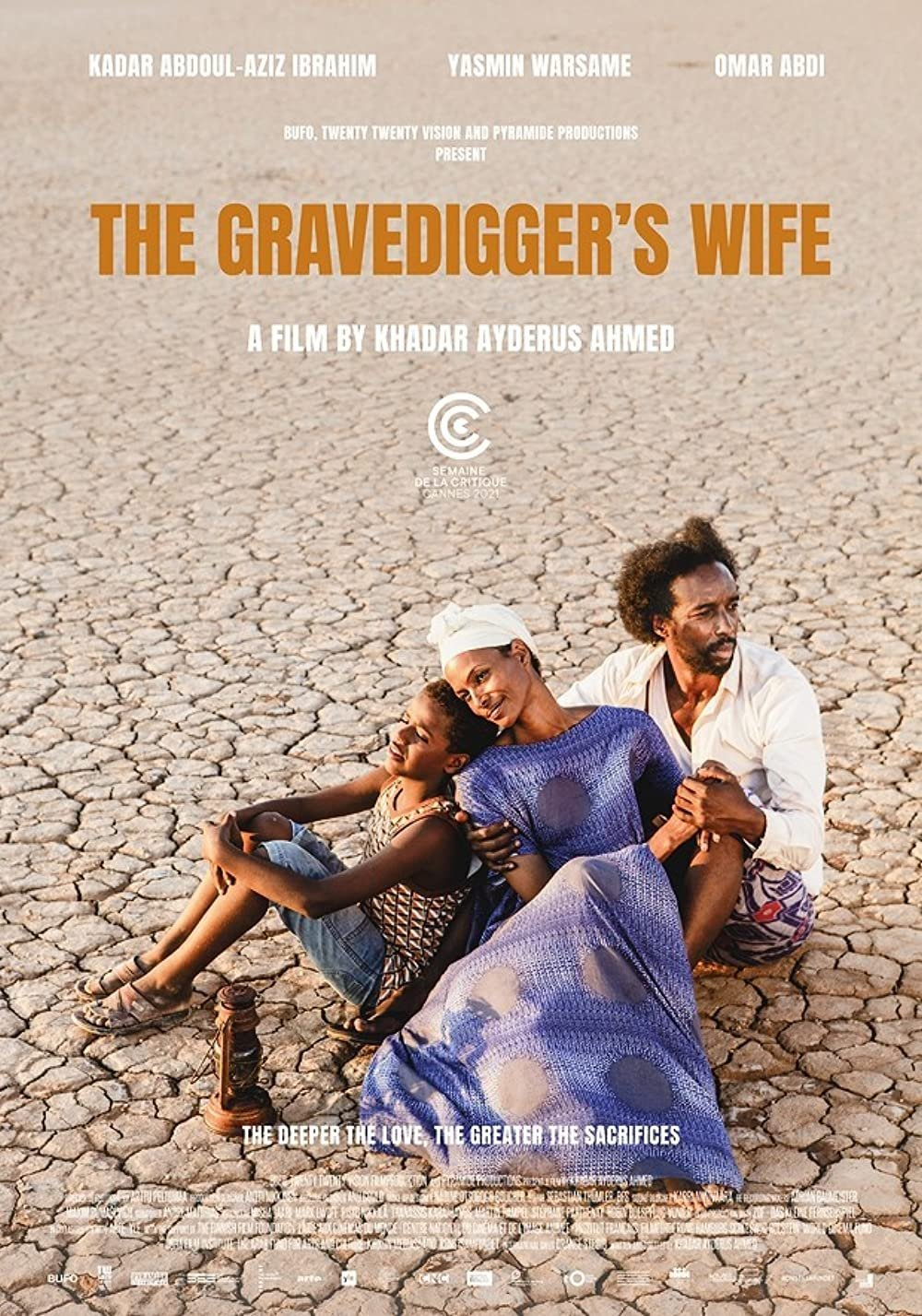
The Gravedigger by Khadar Ahmed (Djibouti)
Produced by Bufo Ab (Finland) and Twenty Twenty Vision Filmproduktion (Germany)
This award, worth $3,000, enabled the director to screen his film in several Arabic-speaking countries.
Synopsis
Middle-aged Guled, a kindhearted gravedigger living with his family in the outskirts of Djibouti city, is working hard to make ends meet. His 13-year old son Mahad spends more time on the streets with homeless children than at home, and his beloved wife Nasra suffers from a chronic kidney disease and desperately needs an operation. Otherwise, she will not survive.
In order to fund Nasra’s operation, Guled should quickly be able to collect as much money as a gravedigger normally earns in a year. But how far Guled and Mahad are willing to go in order to save Nasra’s life? The Gravedigger is the story of a family that, in times of misfortune, have to push themselves to the limits in order to find enough strength to be able to reunite.
The Gravedigger's Wife is a family story about finding strength, sustaining love and force in the most difficult times. It’s about loving under impossible conditions, pushing beyond your limits, risking your own life in order to do what you believe in when nobody else does.
Interview : https://youtu.be/8EepUTC_Vyk
2018 NAAS Prize for Film Circulation
Selection
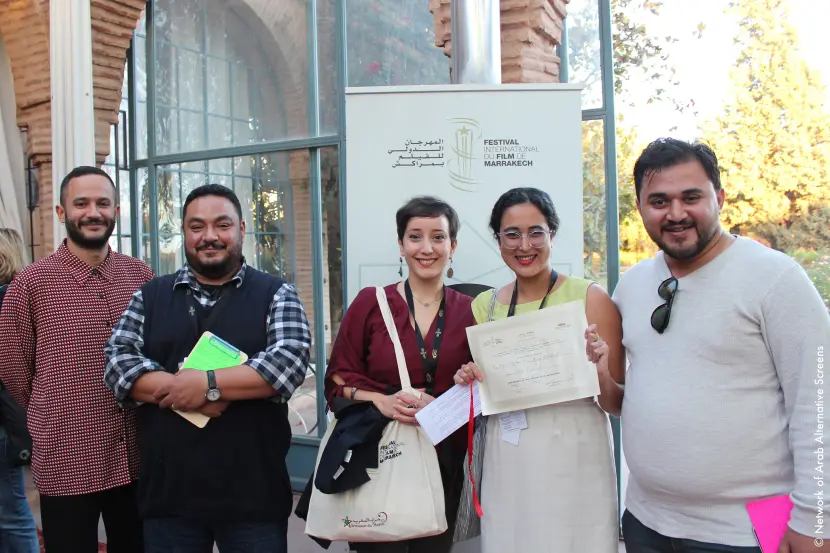
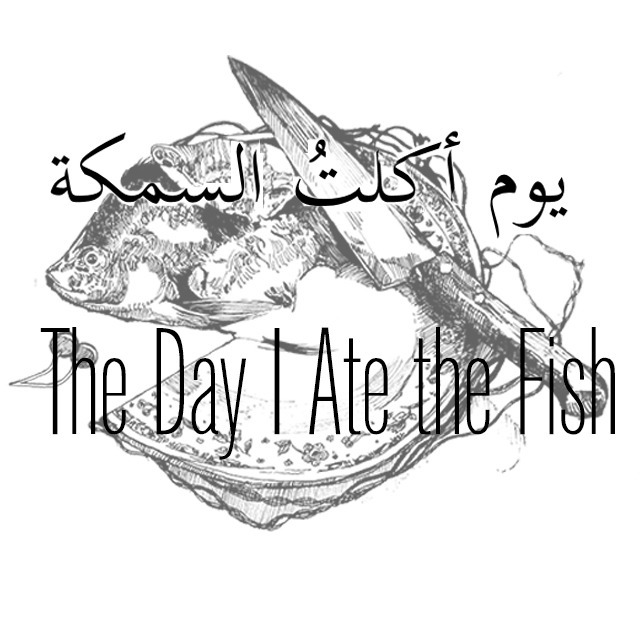
In 2018, the Prize for film circulation was awarded by a jury composed of NAAS members to the film The Day I Ate The Fish by Aida El Kashef (Ganoub Films Production Company), presented as a project in post-production during the Ateliers de l’Atlas in Marrakech.
© NAAS
Synopsis
A fictional research team, presented as narrators, reopens four cases of women convicted of murdering their husbands. The argument expands to question the discourse of violence and counter-violence in our contemporary society, basic crime punishment notions and the development of state disciplinary strategies. This essay film moves freely in place and time shifting between prison interviews, archival, and original footage.
Trailer: https://vimeo.com/141260510?fl=pl&fe=vl
2017 NAAS Prize for Film Circulation
In 2017 and through 2018, NAAS supported the subtitling and circulation of twelve new Arab and international films in the Arab region.
The films – seven new features and five shorts, fiction and documentary – were selected by a jury of NAAS members from the 2016 editions of the Berlinale (Forum and Forum Expanded sections) and the Carthage Film Festival (Official Competition).
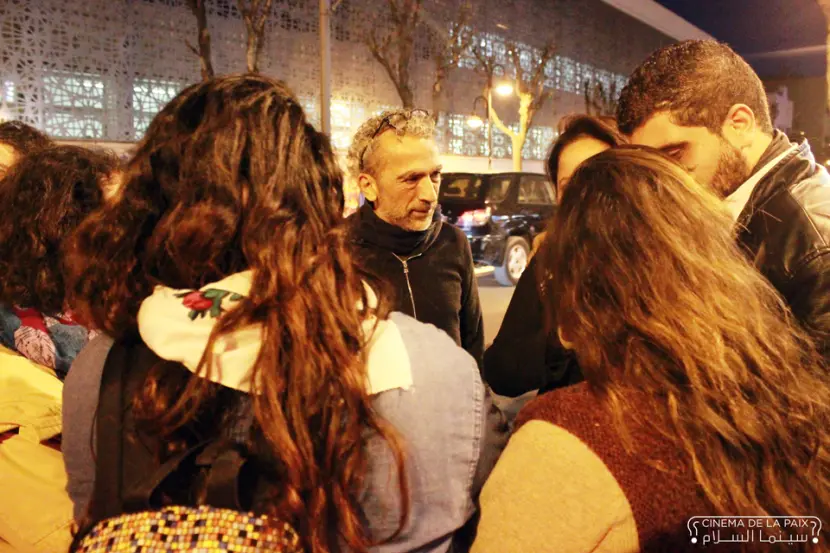
© Cinéma de la Paix
Selection
The selection of feature films showcased:
Regional highlights such as The Last of Us by Tunisian filmmaker Ala Eddine Slim (Best First Feature, Carthage Film Festival), A Maid for Each by Lebanese director Maher Abi Samra, and The Revolution Won’t Be Televised by Senegalese filmmaker Rama Thiaw (FIPRESCI Prize at the Berlin Film Festival and Special Jury Award at the Carthage Film Festival).
The selection also included a range of creative and engaging works, such as the multi-award winning film Pan-American Machinery by Mexican director Joaquin Del Paso, The Illinois Parables by Deborah Stratmann (USA), Tempestad by Tatiana Huezo (Mexico), and The Beach House by Roy Dib (Lebanon)
In addition to five short films: Bring Me The Head of Tim Horton by Guy Maddin (Canada), Now: End of Season by Ayman Nahle (Lebanon), Nyerkuk by Mohamed Kordofani (Sudan), Offside by Marwan Hamdan (Lebanon), and Fathy Doesn’t Live Here Anymore by Maged Nader (Egypt).
Films in languages other than Arabic were all subtitled to Arabic.
The tour involved nine different partners based in six countries: Wekalet Behna (Egypt), Zawya (Egypt), and Cimatheque – Alternative Film Center (Egypt), Tunisian Federation of Film Societies and CinéMadart (Tunisia), Sudan Film Factory (Sudan), FilmLab: Palestine (Palestine), Cinema Akil (United Arab Emirates) and Metropolis Cinema (Lebanon).
Four screenings took place in the presence of the filmmaker or a member of the film crew:
The touring film programs reached more than six thousand viewers across the network.
Follow us on Instagram, LinkedIn, and Facebook.